
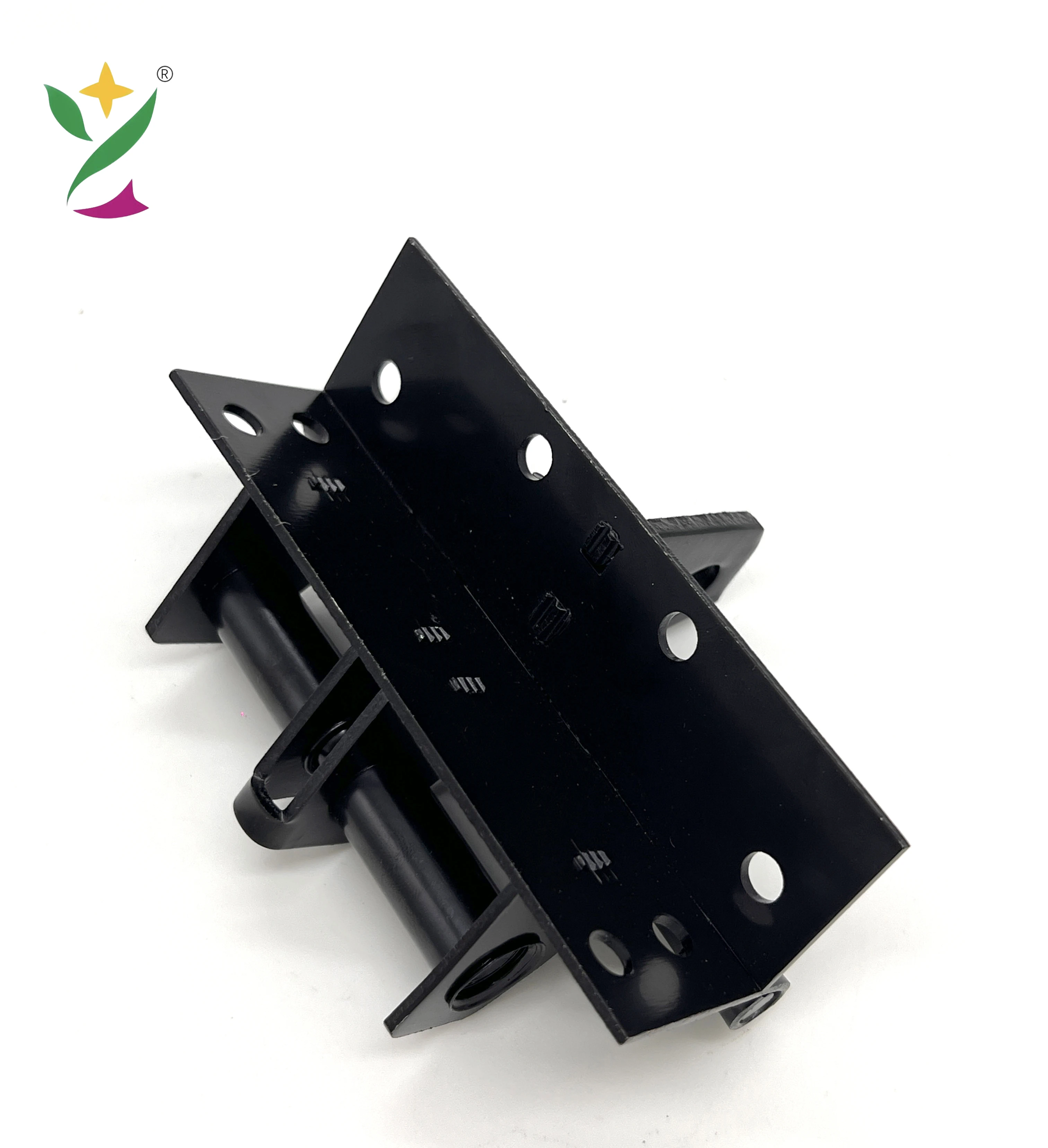
Creating a New Product Feel Like Climbing a Mountain
Making a new product can feel like climbing a mountain. There is many steps to take, and sometimes it get tough. But with right guide and tools, you can make it to the top. At Yuxing, we help businesses turn their ideas into real products. This journey start with a concept and end with a prototype. A prototype is a working model of your product. It help you see how your idea will look and work in real life. This guide will show you how to find the right partners and what stages to expect in cabinet door hardware hinges development.
How to Pick the Right Prototype Partner for Your Business
Picking a partner for prototype development is like choosing a buddy for a big project. You want someone who understand what you need and can help you get there. First, look for a company that have experience in making prototypes like yours. You can check their website for past projects. If they worked on similar products, that’s a good sign. Next, think about communication. You want a partner who talks to you clearly and listen to your ideas. Sometimes, it’s good to meet face-to-face or have video calls. This way, you can build a strong relationship. Also, consider their location. A partner nearby might make it easier to meet and discuss your project. However, don’t ignore great companies that are far away if they has a good reputation. Finally, ask about their process. A good partner should explain how they will help you from start to finish. Make sure they have a plan for testing the prototype too. Testing is super important because it show if the product works well. For example, if you want to create a new kitchen gadget, your partner should know about cooking and safety standards. At Yuxing, we believe that the right partner can make a big difference in turning your idea into a successful product.
Key Stages in Hardware Development for Wholesale Buyers
When you start hardware development, there are several key stages you will go through. It’s like building a house; you need a solid foundation before you can add the roof. The first stage is the idea phase. This is where you think about what your product will be and how it will help people. After that, you move to design. You’ll create sketches and plans to show how the product will look and work. This is a fun time because you can be creative and think outside the box. Once you have a design, it’s time for the prototype stage. This is where you make a small version of your product. You can use materials that are easy to work with, like plastic, to create a model. Testing comes next, and this step is very important. You’ll want to see if your prototype functions correctly and if there are any changes needed. After testing, you may need to go back to the design or prototype stages a few times. This back-and-forth can be frustrating, but it helps make your product better. Finally, when everything is just right, you move to production. This is where your product is made in larger amounts so that it can be sold. Wholesale buyers will be very interested in this stage because it means they can get the product for their stores. At Yuxing, we guide businesses through each of these stages, ensuring that they are well-prepared to bring their products to market.
What to Watch Out For in Hardware R&D
When diving into hardware hinges research and development, there are several important things to keep in mind. First, think about your budget. Creating a prototype can be expensive. It is crucial to plan how much money you can spend before starting. Be aware of hidden costs too. These can include shipping, materials, and even testing. Always leave some extra money in your budget for unexpected expenses. Next, consider the timeline. Developing a prototype takes time. Make a timeline that includes all steps, from the initial idea to the final product. This way, you will know what to expect and when. Be prepared for delays; they can happen for many reasons, like needing more parts or running into design problems.
So, think about your audience. Who will use your product? Understanding your audience helps you design something they will like and find useful. Collect feedback from potential users. This can guide you in making better choices during development. Another thing to watch out for is the quality of materials. Using the right materials is vital for making a strong and reliable prototype. Research different materials and their properties. Some materials may work better for your product than others. Lastly, keep communication open with your team. Everyone should be on the same page about the project goals. Regular meetings can help everyone share ideas and solve problems together. At Yuxing, we believe that teamwork and clear communication are key to successful hardware R&D.
Where to Get Special Materials for Your Hardware Project
Finding the right materials for your hardware project is very important. There are many places to look for special materials that can make your product stand out. One great place to start is online. There are many websites that specialize in selling materials for hardware projects. These sites often provide descriptions and specifications, allowing you to compare different options. You can find everything from metals and plastics to advanced materials like carbon fiber.
Another option is local suppliers. Visit hardware stores or specialty shops in your area. Talking to the staff can provide useful insights and help you discover new materials you might not find online. Sometimes, local suppliers may have unique items that you can't find anywhere else. You can also attend trade shows or industry events. These events are perfect for networking and discovering the latest materials in the hardware world. You can meet suppliers, see new products, and even get samples to test.
In addition, consider reaching out to universities or research institutions. They often work on special materials and may be willing to collaborate or share their knowledge. This can be a great way to access cutting-edge materials that could improve your project. At Yuxing, we stay updated on the latest materials and trends to ensure we create the best prototypes possible. Always remember to consider the properties of the materials you choose, as they can affect the performance and durability of your final product.
Latest Trends in Hardware Prototyping for B2B Buyers
As technology advances, the way we create kitchen cabinet hardware hinges prototypes is also changing. One of the biggest trends right now is 3D printing. This method allows designers to create prototypes quickly and at a lower cost. With 3D printing, you can build complex shapes that were hard to make using traditional methods. It saves time because you can make changes to the design and print a new prototype right away. This helps businesses like Yuxing test their ideas faster and bring products to market sooner.
Another trend is using smart technology in prototypes. Many products today have features like sensors or connectivity to the internet. This can make a product more useful and appealing to customers. For example, a regular appliance can become a smart appliance that you can control with your phone. B2B buyers are looking for these special features to stay competitive in their markets.
Sustainability is also becoming a big focus in hardware prototyping. Many companies want to create eco-friendly products that are good for the planet. This means using materials that can be recycled or are less harmful to the environment. Businesses are looking for ways to reduce waste and energy usage during production. At Yuxing, we believe that being conscious of the environment is essential for the future of hardware development.
With this, collaboration tools are changing how teams work together on prototypes. Using software that allows team members to share ideas and designs in real time can make the process smoother and more efficient. This helps everyone stay updated and aligned with project goals. As trends in hardware prototyping evolve, B2B buyers must stay informed to make the best choices for their projects.
Table of Contents
- Creating a New Product Feel Like Climbing a Mountain
- How to Pick the Right Prototype Partner for Your Business
- Key Stages in Hardware Development for Wholesale Buyers
- What to Watch Out For in Hardware R&D
- Where to Get Special Materials for Your Hardware Project
- Latest Trends in Hardware Prototyping for B2B Buyers