
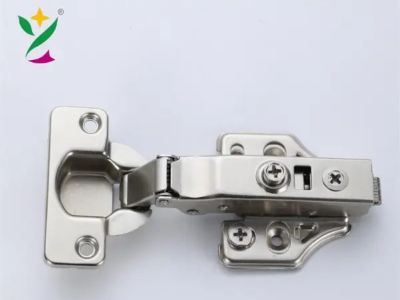
හාඩ්වෙයාර් පර්යේෂණ සහ සංවර්ධනය (R&D) හි පරීක්ෂණය සහ පරීක්ෂා කිරීම ඉතා වැදගත් වේ. සමූහයන් නව නිෂ්පාදන, උදාහරණයක් ලෙස උපකරණ හෝ යන්ත්ර නිෂ්පාදනය කරන විට, ඒවා වෙළඳපොලට යැවීමට පෙර සියල්ල හරියටම ක්රියා කරන බව සහතික කර ගැනීමට ඔවුන් කැමති වේ. මෙය පසුව ඇති විය හැකි ගැටළු වළක්වා ගැනීමට උපකාරී වේ. නිෂ්පාදනය සුදුසු ලෙස පරීක්ෂා නොකළහොත්, එය විනාශ විය හැකි අතර අපේක්ෂිත ලෙස ක්රියා නොකළ හැකිය. මෙය පාරිභෝගිකයන් සතුටු නොවීමට හේතු වන අතර සමූහයට බෙහෙවින් මුදල් අයවැය කරයි. යුෂිං හාඩ්වෙයාර් සැලසුම් පරීක්ෂා කිරීම සහ පරීක්ෂණය කිරීමේ වැදගත්කම හොඳින් අවබෝධ කර ගෙන ඇත. මෙය කිරීමෙන් අපගේ නිෂ්පාදන ආරක්ෂිත, විශ්වසනීය සහ වෙළඳපොලට සූදානම් බව සහතික කර ගත හැකිය.
හාඩ්වෙයාර් සංවර්ධනය සඳහා විශ්වසනීය පරීක්ෂණ සේවා සොයා ගැනීමට කොහේද?
විශ්වසනීය පරීක්ෂණ සේවා සොයා ගැනීම හාඩ්වෙයාර් සංවර්ධනය සඳහා අත්යවශ්ය වේ. ඒවා සොයා ගැනීමට ස්ථාන කිහිපයක් ඇත. පළමුව, සමූහයන් හාඩ්වෙයාර් සඳහා විශේෂිත පරීක්ෂණ පාරිසරික (ලැබ්) සොයා ගැනීම සඳහා අන්තර්ජාලයේ සෙවීම කළ හැක. මෙම පාරිසරික සාමාන්යයෙන් නිෂ්පාදනයක් ආරක්ෂිත වන අතර හොඳින් ක්රියා කරන බව පරීක්ෂා කිරීම සඳහා සුදුසු උපකරණ සහ අත්දැකීම් දරයි. විශ්වසනීය පාරිසරික සොයා ගැනීම සඳහා විචාර කියවීම සහ කර්මාන්තයේ අනෙකුත් සමූහයන්ගෙන් යෝජනා ඉල්ලා සිටීම වැදගත් වේ. ස්ථානීය විශ්වවිද්යාල වලට ද පරීක්ෂණ පහසුකම් තිබිය හැක. ඒවා නව නිෂ්පාදන පරීක්ෂා කිරීම සඳහා සමූහයන් සමඟ සහයෝගීතාවයෙන් ක්රියා කරයි. මෙය අඩු වියදමකින් ඉහළ ගුණත්වයේ පරීක්ෂණ ලබා ගැනීම සඳහා විශිෂ්ට ක්රමයකි. කර්මාන්ත සිදුවීම් වල සම්බන්ධතා සැකසීමද උපකාරී විය හැක. පරීක්ෂණ සේවා සමඟ වැඩ කළ පිරිස සමඟ හමුවීම හොඳ යෝජනා සොයා ගැනීමට මාර්ගයක් විය හැක. යුෂිං හිදී, අපි විවිධ පරීක්ෂණ පාරිසරික සමඟ ශක්තිමත් සම්බන්ධතා ගොඩනැගී ඇත. අපගේ නිෂ්පාදන ආරක්ෂාව සහ කාර්ය සාධන සම්මත සපුරා ඇති බව සහතික කිරීම සඳහා අපි ඒවායේ විශ්වාසය තබයි. සේවාවක් තෝරා ගැනීමේදී, ඔවුන්ගේ අත්දැකීම, ඔවුන් සිදු කරන පරීක්ෂණ වර්ග සහ ප්රතිඵල කෙතරම් වේගයෙන් ලබා දිය හැකිද යන්න පිළිබඳව ප්රශ්න අසීම අත්යවශ්ය වේ. පැහැදිලි සන්නිවේදනය යතාර්ථය වේ. මෙය හේතුවෙන් සියල්ලෝම පරීක්ෂා කළ යුතු දේ සහ එය කෙසේ සිදු කළ යුතුද යන්න පැහැදිලිව තේරුම් ගනී. සමහර විට, සුදුසු සේවාව සොයා ගැනීමට කාලයක් ගත විය හැකි නමුදු එය වටිනා වේ. සුදුසු පරීක්ෂණ සේවාව අවසාන නිෂ්පාදනයේ විශාල වෙනසක් සිදු කළ හැක. එය පසුව ඇති විය හැකි ගැටළු වළක්වා ගැනීමට සහ සියල්ල හරියටම ක්රියා කරන බව සහතික කිරීමට උපකාරී වේ.
නිෂ්පාදන සංවර්ධනයේදී පරීක්ෂණය කිරීම වියදම් අඩු කර කාර්යක්ෂමතාව වැඩි කර ගත හැක්කේ ෙසේද?
උත්පාදන පරීක්ෂා කිරීම අතිරේක වියදමක් ලෙස සැලකිය හැකි නමුදු, එය දීර්ඝ කාලයක් තුළ මුදල් ඉතිරි කර ගැනීමට උපකාරී වේ. සමූහයන් ඔවුන්ගේ හාඩ්වෙයාරය පරීක්ෂා කරන විට, ඔවුන් ගැටළු ඉක්මනින් හඳුනා ගනී. සැලසුම් අදියරය තුළ ගැටළුවක් සුළු කිරීම උත්පාදනය සාදා හා විකුණා යාමෙන් පසු එය සුළු කිරීමට වඩා බෙහෙවින් අඩු වියදමකි. උත්පාදනය විකුණා යාමෙන් පසු එය බිඳ වැටුණොත්, සමූහය අලුත්වැඩියා කිරීම, ප්රතිස්ථාපනය කිරීම හෝ පැවරුම් අධිකරණ ගැටළු සඳහා මුදල් වියදම් කළ හැකිය. උදාහරණයක් ලෙස, උපකරණයක් භාවිතය අතරතුර අසාර්ථක වුවහොත්, එය ප්රතිආහ්වානයන් (recalls) වෙත යා හැකි අතර, එය ඉතා අධික වියදමකි. සමූහයන් විස්තෘත පරීක්ෂා කිරීම සිදු කිරීමෙන් මෙම ගැටළු ගැන පාරිභෝගිකයන් වෙත පැමිණීමට පෙර එය හඳුනා ගත හැකිය. මෙය හොඳ සැලකිලිමත් ප්රතිමානයක් ගොඩනැගීමට උපකාරී වන අතර, එය වැඩි විකුණුම් වෙත යා හැකිය. පරීක්ෂා කිරීම විකාශන ක්රියාවලිය වේගවත් කිරීමටද උපකාරී වේ. උත්පාදනය පරීක්ෂා කර ඕනෑම ගැටළු සිදු වුවහොත් එය ඉක්මනින් නැවත සැලසුම් කළ හැකිය. මෙයින් උත්පාදනය විකුණීම සඳහා සූදානම් වීමට ඉක්මනින් හැකි වීම සිදු වේ. යුෂිං හිදී, අපි පරීක්ෂා කිරීමේ කාර්යක්ෂමතාව දකිමු. එය අපගේ කණ්ඩායමට ප්රතිඵල අනුව ඉක්මනින් වෙනස්කම් හා වැඩිදියුණු කිරීම් සිදු කිරීමට ඉඩ සලසයි. මෙය අපව වඩා කාර්යක්ෂම කරයි. එසේම, විශ්වසනීය උත්පාදනයක් ඇති කිරීම සතුටු පාරිභෝගිකයන් ඇති කිරීමට උපකාරී වේ. පාරිභෝගිකයින් වෙතින් වෙළඳ නාමයක් පිළිබඳ විශ්වාසය ඇති වුවහොත්, ඔවුන් නැවත මිලදී ගැනීමට සහ අනෙකුත් අයට එය නිර්දේශ කිරීමට වැඩි සම්භාවිතාවක් ඇත. මෙය සමූහය සඳහා සාධාරණ චක්රයක් ගොඩනඟයි. එබැවින්, පරීක්ෂා කිරීම අතිරේක පියවරක් ලෙස සැලකිය හැකි නමුදු, එය හොඳම උත්පාදන සාදා ගැනීමේ අත්යවශ්ය කොටසකි. එය මුදල් ඉතිරි කර ගැනීමට, කාර්යක්ෂමතාව වැඩි කිරීමට සහ සතුටු පාරිභෝගිකයන් ඇති කිරීමට උපකාරී වේ.
ඔබගේ හාඩ්වෙයාර් නිෂ්පාදන සඳහා සුදුසු පරීක්ෂණ උපාය මාර්ගය තෝරා ගැනීමට කෙසේද?
නව දෘඪාංග නිෂ්පාදනයක් නිර්මාණය කිරීමේදී, නිවැරදි පරීක්ෂණ උපාය මාර්ගය තෝරා ගැනීම ඉතා වැදගත් වේ. මෙයින් අදහස් කරන්නේ ඔබේ නිෂ්පාදනය හොඳින් ක්රියාත්මක වන අතර භාවිතයට ආරක්ෂිතද යන්න පරීක්ෂා කිරීමට හොඳම ක්රමය සොයා ගැනීමයි. පළමුව, ඔබ කුමන ආකාරයේ දෘඪාංගයක් සාදන්නේද යන්න ගැන සිතා බැලිය යුතුය. එය සෙල්ලම් බඩුවක් වැනි සරල දෙයක්ද, නැතහොත් පරිගණකයක් වැනි වඩාත් සංකීර්ණ දෙයක්ද? විවිධ නිෂ්පාදන සඳහා විවිධ පරීක්ෂණ අවශ්ය වේ. උදාහරණයක් ලෙස, ඔබ සෙල්ලම් බඩුවක් සාදන්නේ නම්, එය දරුවන්ට ආරක්ෂිතද සහ රළු ක්රීඩාවට ඔරොත්තු දිය හැකිද යන්න පරීක්ෂා කිරීමට ඔබට අවශ්ය විය හැකිය. අනෙක් අතට, ඔබ පරිගණකයක් නිර්මාණය කරන්නේ නම්, එහි ක්රියාකාරිත්වය පරීක්ෂා කර එයට එකවර කාර්යයන් රාශියක් හැසිරවිය හැකි බවට වග බලා ගැනීමට අවශ්ය වනු ඇත.
ඊළඟට, ඔබ කොපමණ කාලයක් සහ මුදලක් තිබේද යන්න සලකා බලන්න. පරීක්ෂණ සඳහා සම්පත් බෙහෙවින් අවශ්ය විය හැකි බැවින්, එය පිළිබඳව ඔබ ඥානවන්ත විය යුතුය. යුෂිං ඔබගේ නිෂ්පාදනය අපේක්ෂිත ලෙස ක්රියා කරන බව පරීක්ෂා කිරීම සඳහා මුලින්ම සරල පරීක්ෂණ වලින් ආරම්භ කිරීම යෝජනා කරයි. මෙය වඩාත් විස්තරාත්මක පරීක්ෂණ වලට පෙර කාලය ඉතිරි කර ගැනීමට උපකාරී විය හැකිය. මුල් පරීක්ෂණ අවසානයේ, ඔබ තෙහෙල් පරීක්ෂණය හෝ පරිශීලක පරීක්ෂණය වැනි වඩාත් උසස් පරීක්ෂණ ක්රම වෙත යා හැකිය. මෙහෙයුමේදී සැබෑ පරිශීලකයින් ඔබගේ නිෂ්පාදනය පරීක්ෂා කරයි. මෙම ප්රතිපෝෂණය ඔබගේ නිෂ්පාදනය වෙළඳපොලට යැවීමට පෙර වැදගත් වෙනස්කම් සිදු කිරීමට උපකාරී විය හැකිය. එසේම, පරීක්ෂණ ක්රියාවලියට ඔබගේ කණ්ඩායම ඇතුළත් කර ගැනීම සහතික කර ගන්න. ඔවුන්ට පරීක්ෂා කළ යුතු දේ සහ නිෂ්පාදනය වැඩිදියුණු කිරීම සඳහා ඔවුන් විසින් ඉදිරිපත් කළ හැකි වටිනා අදහස් තිබිය හැකිය. අවසාන වශයෙන්, සෑම විටම ඔබගේ පරීක්ෂණ ක්රියාවලිය ලියා තබා ගන්න. මෙය කුමක් සාර්ථක වූ අතර කුමක් සාර්ථක නොවූ යන්න ඔබට තේරුම් ගැනීමට උපකාරී වේ. පැහැදිලි පරීක්ෂණ උපාය සමඟ, ඔබට හොඳින් ක්රියා කරන නිෂ්පාදනයක් පමණක් නොව, ඔබගේ ගැනුම්කරුවන්ගේ අවශ්යතා සපුරා දෙන හාඩ්වෙයාර් නිෂ්පාදනයක් නිර්මාණය කළ හැකිය.
උසාවි වෙළඳාම සඳහා ඔබගේ හාඩ්වෙයාර් නිෂ්පාදනය සපුරා දිය යුතු පරීක්ෂණ සම්මතයන් කුමක්ද?
යුෂිං හාර්ඩ්වෙයාර් නිෂ්පාදන සඳහා විකාශනය කරන විට, පරීක්ෂණ සම්මතයන් අනුගමනය කිරීම අත්යවශ්ය වේ. පරීක්ෂණ සම්මතයන් යනු ඔබගේ නිෂ්පාදනය ආරක්ෂිත වන අතර සුදුසු ලෙස ක්රියා කරන බව පරීක්ෂා කර ගැනීමට ඔබට උපදෙස් දෙන නීති වේ. මෙම සම්මතයන් මගින් ගැණුම්කරුවන්ට හොඳ ගුණත්වයේ නිෂ්පාදන ලබා දීම සහතික කරයි. උදාහරණයක් ලෙස, ඔබ විද්යුත් උපාංග නිෂ්පාදනය කරන්නේ නම්, පරිශීලකයින් විද්යුත් ස්පර්ශයෙන් ආරක්ෂා කරන ආරක්ෂා සම්මතයන් පරීක්ෂා කළ යුතුය. ඔබ සෑදෙන හාර්ඩ්වෙයාර් වර්ගය අනුව විවිධ සම්මතයන් රාශියක් ඇත. ඔබගේ නිෂ්පාදනයට අදාළ සම්මතයන් කුමක්දැයි සොයා බැලීම වැදගත් වේ.
මෙම සම්මතයන් සපුරා ගැනීම ඔබගේ නිෂ්පාදනය වෙළඳපොලේ විශාල පරිමාණයෙන් විකුණුම් සඳහා සාර්ථක වීමට උපකාරී විය හැක. වෙළඳසැල් සහ මිලදී ගැනීම් කරුවන් බොහෝ විට යම් පරීක්ෂණ කිහිපයක් සාර්ථකව අතික්රමණය කළ නිෂ්පාදන සොයා යයි. ඔබගේ නිෂ්පාදනය මෙම සම්මතයන් සපුරා ගෙන ඇත්නම්, එය ඔබ ගුණාත්මකභාවය සහ ආරක්ෂාව පිළිබඳව සැලකිලිමත් වී ඇති බව පෙන්වයි. මෙය මිලදී ගැනීම් කරුවන් ඔබගේ හාඩ්වෙයාරය මිලදී ගැනීමට වැඩි සැලකිලිමත් වීමට හේතු විය හැක. තවද, සුදුසු සම්මතයන් අනුගමනය කිරීම ඔබ නීති සම්බන්ධ ගැටළු වලින් වැළකී සිටීමට උපකාරී විය හැක. නිෂ්පාදනයක් ආරක්ෂා අවශ්යතා සපුරා නොගෙන හානියක් සිදු කළහොත්, එය ඔබගේ සමූහය සඳහා ඉතා දැඩි ගැටළු ඇති කළ හැක. ඔබගේ නිෂ්පාදනය සියලු අවශ්ය සම්මතයන් සමඟ සම්පූර්ණයෙන් ගැලපෙන බව සහතික කර ගැනීමෙන් ඔබ ඔබගේ ව්යාපාරය ආරක්ෂා කර ගත හැකි අතර පාරිභෝගිකයන්ගෙන් විශ්වාසය ලබා ගත හැක.
ඉහත සඳහන් කළ පරීක්ෂණ සම්මතයන්හි වෙනස්වීම් සම්බන්ධයෙන් යාවත්කාලීන වීම ද හොඳ අදහසකි. නව තාක්ෂණය බොහෝ විට නව නීති ගෙන එයි, සහ යාවත්කාලීන වීම ඔබගේ නිෂ්පාදන අදාළ හා සම්මතයන්ට අනුකූල වීම සහතික කරයි. අවසාන වශයෙන්, ස්වීකෘත සංවිධානයකින් සහතිකය ලබා ගැනීම සැලකිල්ලට ගන්න. මෙම සහතිකය ඔබගේ නිෂ්පාදනය ඉහළ ගුණත්වයේ සම්මතයන් සපුරා ඇති බව සාධනය කරයි, එය සැකසුම් වශයෙන් විකිණීම පහසු කරයි. සාරාංශයක් ලෙස, විකුණුම් වෙළඳපොළේ ඔබගේ හාඩ්වෙයාර් නිෂ්පාදනවල සාර්ථකත්වය සඳහා සුදුසු පරීක්ෂණ සම්මතයන් තේරුම් ගැනීම සහ ඒවා අනුගමනය කිරීම ඉතා වැදගත් වේ.
පාරිභෝගික удовлетвор්වීම වැඩි කිරීම සඳහා කෙතරම් කාර්යක්ෂම පරීක්ෂණ ක්රියාවලි භාවිතා කළ හැකිද?
ගුණාත්මක භාවය සහතික කිරීම සඳහා කාර්යක්ෂම පරීක්ෂණය වැදගත් වේ. යුෂිං හි විශ්වාසය වන්නේ හොඳ පරීක්ෂණ ක්රියාවලියක් යටතේ ගැටළු අඩු වන බවයි. ඔබ නිෂ්පාදනය මිලදී ගැනීමට පෙර හොඳින් පරීක්ෂා කළහොත්, එහි ඇති ගැටළු හඳුනා ගෙන ඒවා සුදුසු ලෙස සැකසිය හැක. එයින් අදහස් වන්නේ පාරිභෝගිකයින් අවසානයේ නිෂ්පාදනය ලබා ගත් විට එය අපේක්ෂිත පරිදි ක්රියා කරන අතර දෝෂ රහිත වීමයි. සතුටු පාරිභෝගිකයින් තම මිතුරන් සහ පවුලේ සාමාජිකයින් සමඟ ඔවුන්ගේ සුපිරි අත්දැකීම බෙදා ගැනීමට සැකෙවින් සිදු කරන අතර, එය ඔබගේ ව්යාපාරය වර්ධනය වීමට උපකාරී විය හැක.
පාරිභෝගික සතුට වැඩි කිරීම සඳහා පරීක්ෂණය සැපයිය හැකි තවත් ක්රමයක් වන්නේ විශ්වාසය ගොඩනැගීමයි. පාරිභෝගිකයින් නිෂ්පාදනයක් සැලකිලිමත් ලෙස පරීක්ෂා කර ඇති බව දැකුවොත්, ඔවුන් එය මිලදී ගැනීමට වැඩි සුරක්ෂිත වැඩි විශ්වාසයක් දක්වයි. ඔවුන් එය වැදගත් පරීක්ෂණ පරීක්ෂා සියල්ල සාර්ථකව අතික්රමණය කර ඇති බවත්, එය භාවිතයට සුරක්ෂිත බවත් දනී. මෙම විශ්වාසය විශේෂයෙන් දිනපතා භාවිතා කරන ස්ථායී උපකරණ වැනි සෙල් දුරකථන සහ ගෘහ උපකරණ වැනි හාඩ්වෙයා නිෂ්පාදන සඳහා ඉතා වැදගත් වේ. නිෂ්පාදනයක් පරීක්ෂණ සාර්ථකව අතික්රමණය කිරීම සහ සම්මතයන් සපුරා ඇති ඉතිහාසයක් ඇත්නම්, පාරිභෝගිකයින් එය වෙනත් විකල්ප වලට වඩා තෝරා ගැනීමට වැඩි සම්භාවිතාවක් ඇත.
තවද, සැබෑ පරීක්ෂණ ක්රියාවලියක් හරහා හොඳ පාරිභෝගික සේවාවක් ලබා දිය හැක. යුෂිං සමූහය නිෂ්පාදන සම්පූර්ණයෙන් පරීක්ෂා කරන විට, ඒවා කෙසේ ක්රියා කරයිද සහ පාරිභෝගිකයින් ඒවා පිළිබඳව කුමක් කැමති හෝ අකැමතිද යන්න පිළිබඳව වටිනා තොරතුරු රැස් කරයි. මෙම ප්රතිපෝෂණය අපගේ අනාගත නිෂ්පාදන වැඩිදියුණු කිරීමට උපකාරී විය හැක. පාරිභෝගිකයින් ඔවුන්ගේ අදහස් වැදගත් බවත්, ඒවා නිෂ්පාදන වැඩිදියුණු කිරීම සඳහා භාවිතා කරන බවත් දැනගත් විට, ඔවුන් වටිනාකමක් දකින බව හැඟීමට පත් වෙති. මෙම සම්බන්ධතාවය ඔවුන්ව සමූහය සමඟ විශ්වාසය තබා ගැනීමට සහ සැමියා සමූහය සමඟ දීර්ඝ කාලීන සම්බන්ධතාවයක් පවත්වා ගැනීමට උපකාරී වේ. සැබෑ පරීක්ෂණ ක්රියාවලියන් හාර්ඩ්වෙයාර් නිෂ්පාදන හොඳින් ක්රියා කරන බවත්, ආරක්ෂිත බවත් සහතික කරන අතරම, විශ්වාසය ගොඩනැගීම, වායු මාර්ගයෙන් සිදුවන ප්රචාරණය (word-of-mouth referrals) උත්තේජනය කිරීම සහ සමූහය සහ පාරිභෝගිකයින් අතර ශක්තිමත් සම්බන්ධතාවයක් ගොඩනැගීම හරහා පාරිභෝගික සතුට වැඩි දියුණු කරයි.
අන්තර්ගතය
- හාඩ්වෙයාර් සංවර්ධනය සඳහා විශ්වසනීය පරීක්ෂණ සේවා සොයා ගැනීමට කොහේද?
- නිෂ්පාදන සංවර්ධනයේදී පරීක්ෂණය කිරීම වියදම් අඩු කර කාර්යක්ෂමතාව වැඩි කර ගත හැක්කේ ෙසේද?
- ඔබගේ හාඩ්වෙයාර් නිෂ්පාදන සඳහා සුදුසු පරීක්ෂණ උපාය මාර්ගය තෝරා ගැනීමට කෙසේද?
- උසාවි වෙළඳාම සඳහා ඔබගේ හාඩ්වෙයාර් නිෂ්පාදනය සපුරා දිය යුතු පරීක්ෂණ සම්මතයන් කුමක්ද?
- පාරිභෝගික удовлетвор්වීම වැඩි කිරීම සඳහා කෙතරම් කාර්යක්ෂම පරීක්ෂණ ක්රියාවලි භාවිතා කළ හැකිද?